

Therapy for South Asian Adult
Children of Immigrants
Navigating Life Between Cultures in Texas, Minnesota, & Colorado
Navigating Life as a Multicultural Person
Whether you immigrated as a child, were born to immigrant parents, or have a multicultural identity, your experiences are likely very different from your parents’. It might have you feeling misunderstood, confused, and even lost when trying to find where you fit in.
The duality of growing up between two or more cultures—the one in which you live and the one shaped by your South Asian family—can be challenging, to say the least. While the broader society may encourage independence and self-discovery, your family may have a very different idea of what’s best for you. Being caught in this cultural crossroads can make it difficult to identify what you truly want for your life. And in many South Asian households, personal choices may not have been something you were ever allowed to have.
The Internal Struggle Between Family and Self
As an adult, you may feel the pull between two strong desires:
✔ The need to make your parents proud and earn their love and approval
✔ The deep longing to live a life that brings you joy and autonomy
This can feel overwhelming and scary, especially when you consider the sacrifices your parents made to create opportunities for you. You might ask yourself:
"Why can’t I just be on board with their expectations and make it work?"
But here’s the truth—it’s not that simple.
You are an individual with your own needs, desires, and aspirations. You deserve to create a life that feels right for you. Navigating this dual identity can be complicated, but you don’t have to do it alone.
There’s a way to do that.

Unique Challenges Faced by Third Culture South Asians
If you’ve ever felt stuck between cultures, you’re not alone. Many multicultural folks identify as third culture individuals experience:
Identity Crisis – Feeling uncertain about where you belong within your cultural heritage and the society you live in
Decision-Making Paralysis – Fear of making the “wrong” choice, especially when family expectations are involved
Challenges with Boundaries – Struggling to set limits with family while maintaining relationships
Internal Conflicts – Feeling torn between prioritizing yourself and fulfilling family obligations
Sense of Home & Belonging – Questioning where you truly feel at peace
Navigating Family Traditions – Honoring traditions without losing yourself
Gender Role Expectations – Feeling pressure to conform to traditional South Asian gender norms
Intergenerational Trauma – Carrying the emotional weight of unhealed family wounds
Being the ‘Good’ Son or Daughter – Struggling with guilt when you make choices that differ from family expectations
Relationships & Dating – Balancing personal preferences with cultural expectations around marriage and partnerships
Your story is unique—there’s no one-size-fits-all approach to navigating this space.
Honor Your Heritage Without Self Sacrifice
Living between cultures can be overwhelming, especially when there’s no clear roadmap. But here’s the good news:
✔ You don’t have to reject your South Asian heritage to live authentically
✔ You don’t have to abandon your own needs to maintain cultural connection
✔ You get to define what honoring your culture looks like for you
At Revolutionary Reflections, our approach isn’t about dismissing South Asian culture—it’s about embracing it in a way that aligns with your personal values and desires.
As an Indian therapist, I won’t tell you what to do. But I will use my understanding of gender roles, caste/class dynamics, and intergenerational expectations to help you question and navigate the strong cultural systems that often limit us.
Because at the end of the day, your life = your choice.
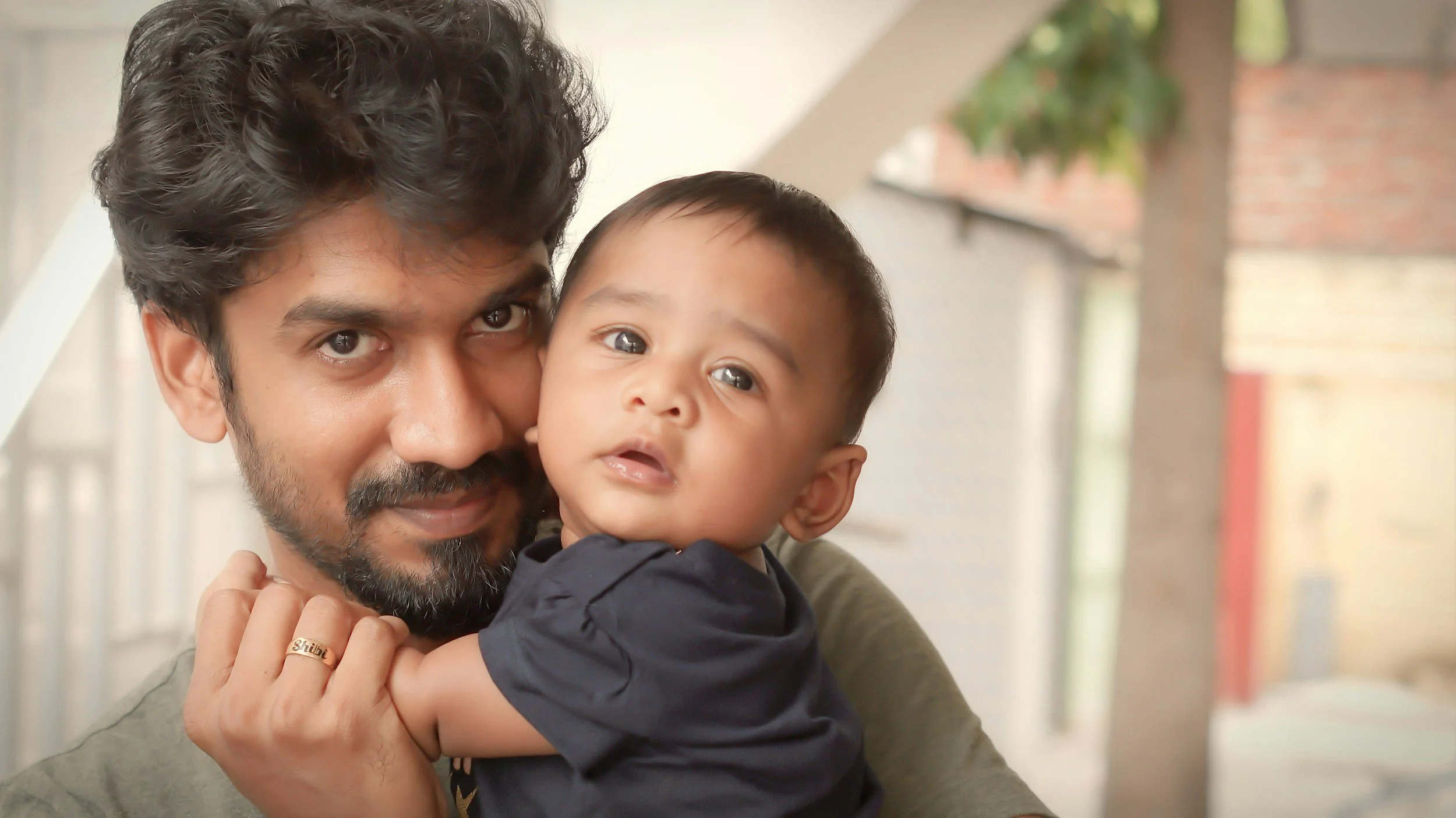
Culture Shapes Your Everyday Challenges
At Revolutionary Reflections, we recognize that unspoken cultural rules shape how you view the world and even how stress manifests.
Your anxiety may not stem from “overthinking” or being a “perfectionist.” Instead, maybe it’s because your Indian, Pakistani, Bangladeshi, or Sri Lankan immigrant parents didn’t allow mistakes as a child—because excellence and perfection, were the only options.
If every choice feels monumental, that’s because it was meant to. You second-guess yourself. You feel stuck in self-criticism. And the cycle repeats.
If this sounds familiar, it’s not just you.
Frequently Asked Questions
-
Therapy for children of immigrants supports adults who grew up between two (or more) cultures — whether you immigrated as a child or were born here to immigrant parents. It addresses identity, intergenerational trauma, cultural expectations, and the internal conflict between honoring your family and living authentically.
-
Not at all. While I bring specific cultural fluency around South Asian (Indian, Pakistani, Bangladeshi, Sri Lankan) family systems, I also work with adult children of immigrants across many cultural backgrounds — East Asian, Latine, African, Caribbean, Middle Eastern, and more.
-
I'm licensed to provide therapy in Texas, Minnesota, and Colorado. All sessions are virtual and confidential.
-
I work from a model that centralizes cultural attunement; meaning your cultural context isn't a side note, it's foundational to how we understand what you're carrying and how we build healing practices that actually fit your life.
For clients ready to explore the body-mind connection, I also use Brainspotting and EMDR — two trauma-focused modalities that help you heal at the nervous-system level, rather than only talking about your experiences.
-
It's both. I work from a trauma-informed, culturally grounded lens — because for high-achieving children of immigrants, cultural expectations, family dynamics, and intergenerational patterns often are the trauma. This isn't about labels. It's about helping you contextualize your experiences so they finally make sense.
-
Yes. I work with couples navigating cross-cultural relationships, family expectations around marriage, and the unique dynamics that come up when partners have different cultural backgrounds or different levels of cultural integration. And even being from the "same" culture doesn't mean things look or feel the same — we can work to bridge that gap, too.