
TL;DR
Being rejected by your family is a real loss, even if everyone is still alive and technically "in your life." That kind of relational trauma hits your sense of safety, identity, and belonging all at once, and the nervous system remembers it. It can show up years later as shame, people pleasing, trouble trusting closeness, or grief that comes in waves. Trauma therapy can help you process the loss, quiet the shame, and build connection that doesn't cost you yourself.
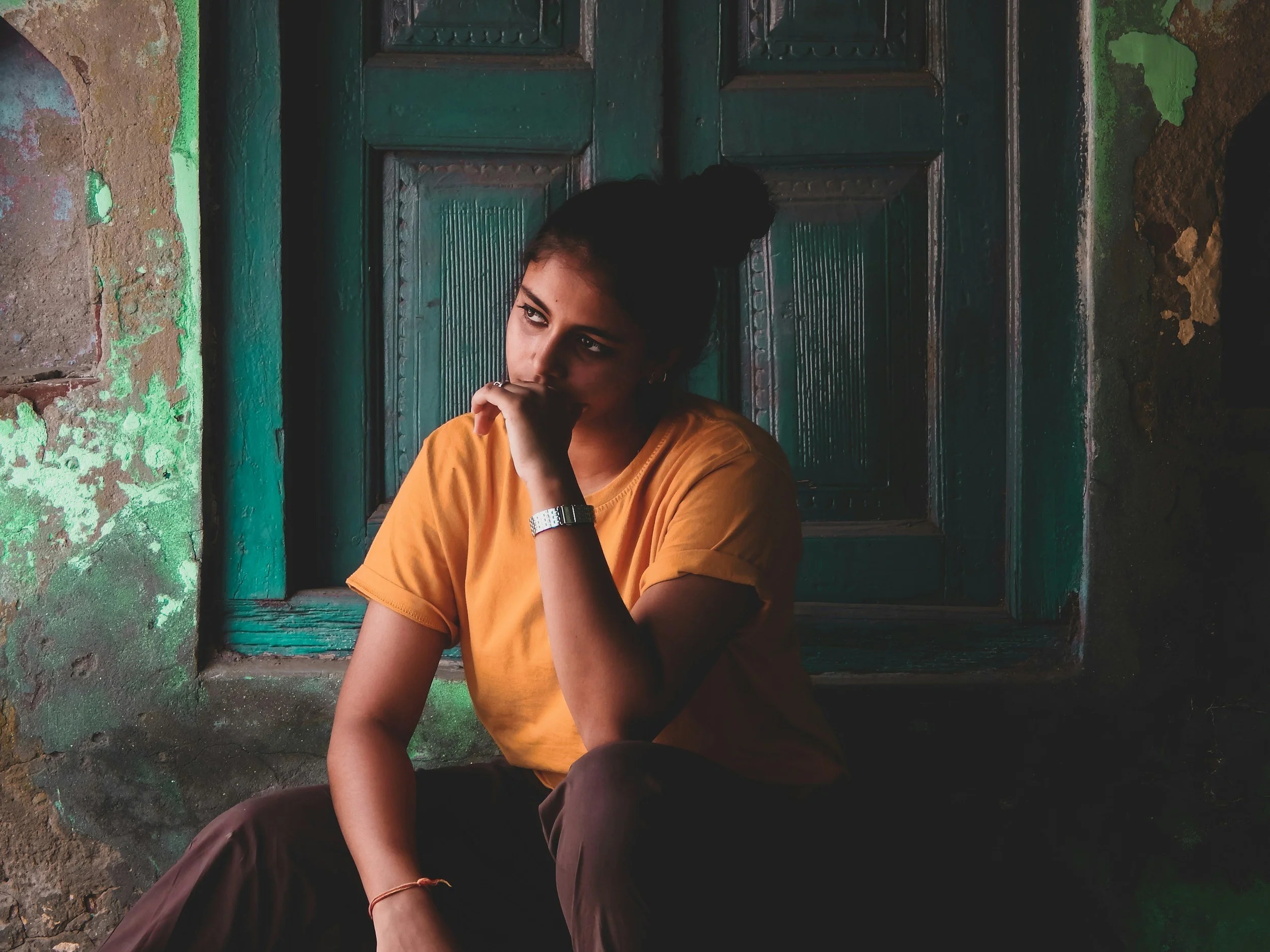
When home stops feeling like home
Maybe it was one big moment. You came out. You married someone they didn't approve of. You left the faith you were raised in. You said no to the career, the arranged meeting, or the move back home.
Or maybe it was slower. A cooling. Being talked at or about instead of talked to. Being welcomed at family events only if you left a part of yourself at the door. You needed a mask to belong.
However it happened, the message landed the same way: you can only belong here, as long as you show up the way it’s expected. Don’t be too much, don’t hide away, but show up right.
That kind of rejection hurts in a specific way, because it comes from the people and places that were supposed to be your safety. And it's often met with silence from everyone else, so you end up grieving something nobody else is calling a loss.
How Rejection Impacts the Nervous System
Quick answer
Family rejection threatens two things your nervous system treats as survival needs: belonging and safety. That's why it can feel physically painful and keep affecting you for years, even after you've "moved on."
We're wired to stay connected to our people. For most of human history, being cast out of the group was genuinely dangerous. Your nervous system hasn't forgotten that.
So when your family or community pulls away, your body doesn't just register sadness. It registers threat. You might feel it as a tight chest before a family gathering, a wave of panic when your phone shows a relative's name, or a numbness that kicks in so you can get through the holidays. Because these are the relationships your attachment system was built around, this is more than hurt feelings. It's relational trauma: a wound that happened inside the relationships that were supposed to keep you safe.
Rejection also hits identity. When the people who shaped you say who you are isn't acceptable, it's hard not to wonder if they're right. That's where shame moves in. Not "I did something wrong," but "something is wrong with me."
For a lot of adult children of immigrants, especially in South Asian and other close-knit immigrant families, there's an extra weight. Your family might be your only link to your language, your food, your festivals, your history. Losing their approval can feel like losing your culture too.
You can be grieving people who are still alive. That grief is real, even if nobody sends flowers.
Common Long-Term Effects
The impact of rejection doesn't always look like sadness. It can show up in places you wouldn't expect:
Chronic shame that shows up when you're just being yourself.
People pleasing in friendships, work, and relationships, so nobody else ever pulls away.
Hypervigilance around disapproval. You read every pause and every change in tone.
Trouble trusting closeness. Part of you is always waiting for the condition that will make someone leave.
Grief that comes in waves, especially around holidays, weddings, births, and family festivals.
Attachment patterns that follow you into adult relationships. You may cling, keep people at arm's length, or swing between the two.
Guilt for having needs at all, or for building a life that made the distance happen.
None of this means you made the wrong choice. It means the choice had a cost, and that cost deserves care.
The part nobody names
You can hold love for your family, anger at what happened, and relief at having some distance, all at the same time. Mixed feelings don't mean you're confused. They mean you're honest.
How Therapy Helps
Healing from family rejection and relational trauma doesn't mean forcing a reconciliation, and it doesn't mean cutting everyone off. It means you stop carrying the wound alone.
In my work, we start by naming the loss for what it is. A lot of my clients have never been allowed to grieve it out loud. From there, we look at the shame you absorbed and separate what's actually yours from what was handed to you.
I use EMDR and Brainspotting to help your nervous system process the moments that still feel sharp: the conversation, the silence, the first holiday on the outside. As that charge softens, people often find they can think about their family without spiraling, and make decisions about contact from a steadier place.
We also work on repairing attachment wounds and rebuilding a sense of belonging, whether that's chosen family, community, a new kind of relationship with the family members who can meet you, or a reconnection with your culture on your own terms.
And you won't have to explain why this is so complicated. I work with adult children of immigrants and couples navigating family and cultural expectations every day. The complexity is the work.
Questions people ask me about this
Is family rejection a form of trauma?
It can be. Rejection by family threatens your sense of safety, belonging, and identity, and can lead to lasting shame, anxiety, and trouble trusting relationships. Whether or not it's labeled trauma, its effects deserve support.
What is relational trauma?
Relational trauma is emotional harm that happens inside close relationships, especially family, through rejection, criticism, neglect, or love that came with conditions. It can shape your attachment style, your self-worth, and how safe closeness feels.
How do I cope with family rejection during the holidays?
Plan ahead for the days that are hardest, build in time with people who see you clearly, and give yourself permission to grieve. Therapy can help you process the loss so holidays feel less overwhelming.
Does healing mean I have to reconcile with my family?
No. Healing means you're no longer carrying the wound alone. Some people reconnect, some keep distance, and some find a middle ground. Therapy helps you decide from a steadier place.

You don't have to grieve this alone
If rejection from your family or community still affects how you see yourself, therapy can help you heal without having to choose between who you are and where you come from. I work virtually with adults across Minnesota, Texas, and Colorado.
Book a free consultation Learn about Adult Children of Immigrants TherapyAbout the author
Surabhi Jagdish, MA, LMFT-S is a trauma therapist and the founder of Revolutionary Reflections, a virtual practice serving clients in Minnesota, Texas, and Colorado. With over 12 years of clinical experience, she specializes in trauma, high-achieving adults, couples, and adult children of immigrants, and uses EMDR and Brainspotting to help adult children of immigrants heal from family rejection, relational trauma, and shame, and build belonging that doesn't require hiding who they are.
